
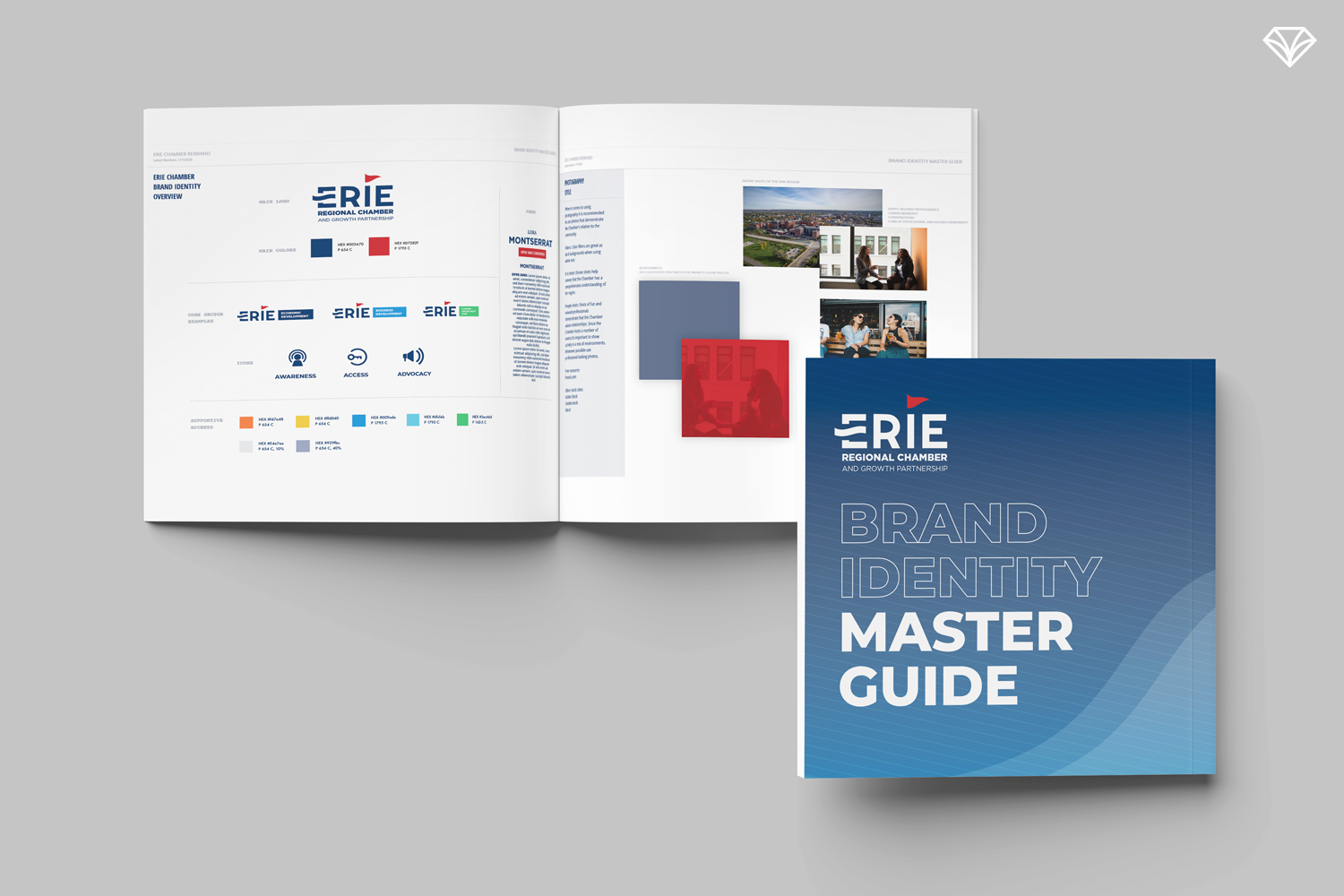
When most people think of branding, they think of colors, fonts, and logos. While these elements are an important foundation for brand recognition, they’re only part of what makes an effective brand.
Visual identity can make a strong first impression, but whether that impression lasts depends on what comes next. The challenge is developing an integrated strategy that combines the tangible and intangible to communicate not only what a brand promises, but how it delivers on those promises and why that follow-through matters.
No matter the sector or industry of your business, a strong brand identity is crucial to not only increasing brand recognition, but positioning your business as a key player equipped to address the challenges of your audience. In this blog post, we’ll define five brand strategy best practices and explain what role they play in developing or refining a successful brand.
Define a Brand Strategy That Communicates Your Value
The foundation of a successful brand is a clear definition of who you are, who you serve, and the value you offer. But the way you tell this story matters. It’s important to communicate your value in terms your audience cares about and connect what you offer to tangible benefits.
When developing your brand strategy, make sure you’re clear on these questions:
Who is your ideal audience, and what matters most to them?
What challenges can you help them overcome?
What is your unique selling proposition?
What experience can you provide your audience consistently?
Brand architecture is another important consideration and should be structured intentionally, especially for businesses with multiple service lines. When structuring your brand architecture, it’s important to consider your corporate structure and how you want audiences to perceive your brand or brands.
A branded house (or a monolithic brand structure) uses a single master brand across all products and services. A house of brands (a pluralistic brand structure), contains multiple independent brands within a single parent company. Both structures require different approaches.
Build a Consistent Visual and Verbal Brand Identity
Some brands are immediately visually recognizable through consistency in their colors, imagery, messaging, and typography. This is a result of brand identity design.
Brand identity consists of both visual and verbal elements. Visual elements include logos, color palettes, typography, photography, and graphics. Verbal elements comprise how your organization communicates, through tone, messaging, taglines, and storytelling. Both should reflect the same brand strategy.


One of the best ways to maintain a consistent brand strategy is to establish a comprehensive brand standards guide. This should document:
Typography and color systems
Logo variations and usage
Photography and graphic direction
Tone of voice and messaging pillars
This guide is crucial to brand consistency, especially when both internal and external partners are creating materials on behalf of a brand. The goal is to ensure these visual systems perform consistently across digital, print, environmental, and motion channels.
Get Your Team On Board With Your Brand
Your employees are your most influential brand ambassadors. That’s why effective brand management requires internal alignment.
Both leadership and frontline employees should have opportunities to contribute during brand development. It’s important for the entire team to be on the same page about shared priorities and organizational values.
This should be embedded into everyday operations like onboarding, procurement, and content approval workflows. Customer-facing employees should clearly understand the brand’s messaging and how their interactions reinforce brand values. Leadership should use these priorities and values to guide decisions.
None of this happens unless the entire team is clear on what the core of the brand is and how to communicate it. Brand governance is a good way to get the team on the same page. Without a shared set of standards, it’s easy for individual departments to develop their own visual identities and messaging approaches. That’s why everyone in your organization needs to understand what your brand stands for and how it delivers on its promises.
Protect Your Brand Reputation Through Strategic Marketing
Once your audiences are clear on what your brand promises and how it delivers on those promises, follow-through is necessary. Brand recognition is essential, but it doesn’t inherently guarantee trust.
That’s why it’s important to shape public perception by communicating effectively, responding well to feedback, and delivering on your promises. This can be done by developing a brand marketing strategy that pairs the long-term brand-building initiatives with targeted, multi-channel campaign execution.
Long-term initiatives might include digital video, social media, earned media, or community partnerships. Targeted campaigns may focus on lead generation, promoting services, increasing event attendance, or launching a new offering. These efforts should still reinforce your overarching brand positioning, even if the channels and immediate goals differ.

But how do you know if your efforts are effective? Impressions are only part of the story. It’s important to track metrics like brand sentiment and customer feedback, search traffic, video completion rates, engagement quality, lead quality and conversions, and customer retention. These metrics help paint a complete picture so you can double down on your strategy or pivot accordingly.
However, you may not always be satisfied with what these metrics tell you. That’s why it’s important to be proactive in preparing for difficult conversations. Organizations should establish procedures for monitoring feedback, responding to concerns, and addressing misinformation. There should be a clear framework that details who is responsible for communication when an issue arises and how sensitive situations should be escalated.
By following through on the brand identity you created, you can protect the trust your organization worked hard to establish.
Conduct Regular Brand Audits and Evolve With Purpose
Oftentimes, organizations are constantly evolving. Your branding should evolve with it. Even established organizations can experience brand dilution when messaging, visuals, or customer experience become inconsistent. A regular brand audit can help address these gaps before they become large-scale problems.
Start by reviewing the touchpoints where your audience encounters your organization:
Website: Does your messaging accurately reflect your services and value proposition?
Social Media: Are your visuals, tone, and messaging consistent across platforms?
Marketing Materials: Are your advertisements, presentations, and printed materials standardized and in adherence with your brand guidelines?
Customer Experience: Does the experience you deliver match the promises you make?
Reputation: What do reviews and customer feedback say about your brand?
After reviewing these touchpoints, adjust accordingly. The goal is to preserve the recognition and trust your organization has worked so hard to establish and ensure your brand evolves with your organization.
Build a Brand That Grows With You
These five brand strategy best practices all have one thing in common: intentionality. Every decision should contribute to a consistent brand experience. This requires a strategic foundation, organizational alignment, and a commitment to your brand evolving with your organization.
At Gem City Creative, we approach brand strategy with that intentional, integrated approach. We work with organizations to establish clear brand positioning, create flexible and effective systems, and develop identities that contribute to long-term organizational goals.
Ready to build a stronger brand?
Let's spend 20 minutes looking at where your brand stands, what's working, and where there may be opportunities for improvement. You'll walk away with a clearer perspective on your brand's biggest opportunities and practical next steps to move forward.
Schedule your free 20-minute brand consultation with Gem City Creative today.
